Now Reading: The 10 biggest challenges facing shipping today – from geopolitics to environmental pressures
-
01
The 10 biggest challenges facing shipping today – from geopolitics to environmental pressures
The 10 biggest challenges facing shipping today – from geopolitics to environmental pressures


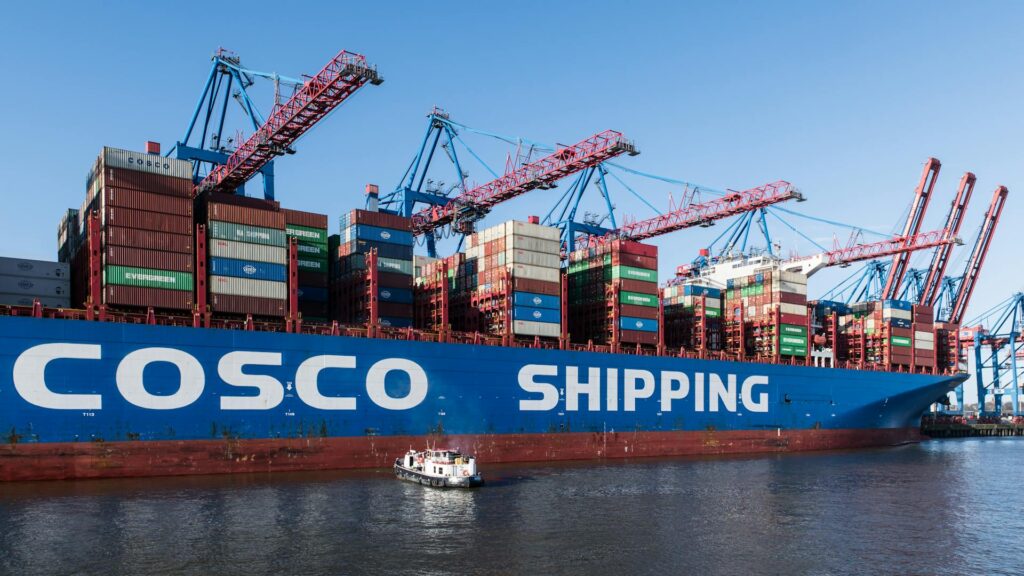
Ocean freight companies, such as China Shipping (COSCO Shipping) and others in the sector, face several daily challenges that impact their efficiency, profitability and operationality. Below is a survey of the main problems these companies face, ideal for a blog on the subject:
1 – Fluctuations in the Freight Market
Supply and demand cycles: The sector is highly cyclical, with periods of high demand (and high prices) followed by overcapacity and sharp drops in rates.
Impact of global crises: Events such as the COVID-19 pandemic and geopolitical conflicts (e.g., the war in Ukraine) cause volatility in freight rates.
2 – High Operating Costs
Fuel (bunker): The price of bunker oil varies significantly, directly affecting profits.
Maintenance and repairs: Ships require constant maintenance, and unscheduled stops generate extra costs.
Insurance and port charges: Increases in insurance premiums (especially on risky routes such as the Red Sea) and port charges impact the budget.
3 – Regulatory and Environmental Pressures
Normas da IMO (Organização Marítima Internacional): Exigências como a IMO 2020 (limite de enxofre) e a IMO 2050 (meta de zero emissões) forçam investimentos em tecnologias limpas.
Carbon Tax e ESG: Empresas precisam se adaptar a regulamentações verdes, sob risco de multas ou exclusão de rotas.
4 – Supply Chain Issues
Port congestion: Ports such as Shanghai and Los Angeles are experiencing frequent delays, delaying deliveries and increasing costs.
Container shortages: Imbalances in the distribution of containers (such as during the pandemic) are creating shortages and price increases.
5 – Geopolitical Risks and Security
Conflicts on critical routes: Attacks in the Strait of Hormuz or the Red Sea (by groups such as the Houthis) force costly diversions.
Trade sanctions: Companies such as COSCO have already been affected by US-China sanctions, limiting operations.
6 – Shortage of Skilled Labor
Lack of experienced crew: The shortage of qualified sailors and officers is a chronic problem.
Turnover and working conditions: Long periods at sea and pressure for efficiency drive professionals away.
Sail to profit: shipping is the strategic route for visionary investors! André Rangel
7 – Technological Dependence and Cyber Threats
Automation and AI: The need to modernize the fleet (autonomous ships, IoT) requires high investments.
Cyber risks: Hackers attack navigation systems and ports, as seen in the 2017 attack on Maersk (NotPetya).
8 – Competition and Market Consolidation
Mergers and oligopolies: Large players (such as MSC, Maersk and COSCO) dominate the market, making it difficult for smaller companies to compete.
Price wars: Smaller companies are pressured to reduce margins to retain customers.
9 – Reverse Logistics and Sustainability
Gestão de resíduos: Descarte de materiais e óleo dos navios exige processos caros e ecoeficientes.
Pressão por combustíveis alternativos: Hidrogênio verde, amônia e LNG demandam adaptação da frota.
10 – Impact of Natural Disasters
Tempestades e furacões: Rotas no Pacífico e Caribe sofrem com eventos climáticos extremos.
Elevação do nível do mar: Portos precisam de adaptações para navios maiores e condições alteradas.
Ocean freight companies operate in a complex environment where economic, political, environmental and technological factors intertwine. To remain competitive, they need to invest in operational efficiency, green technology and risk management. COSCO Shipping and other giants have the advantage of scale, but even they are not immune to these challenges.